


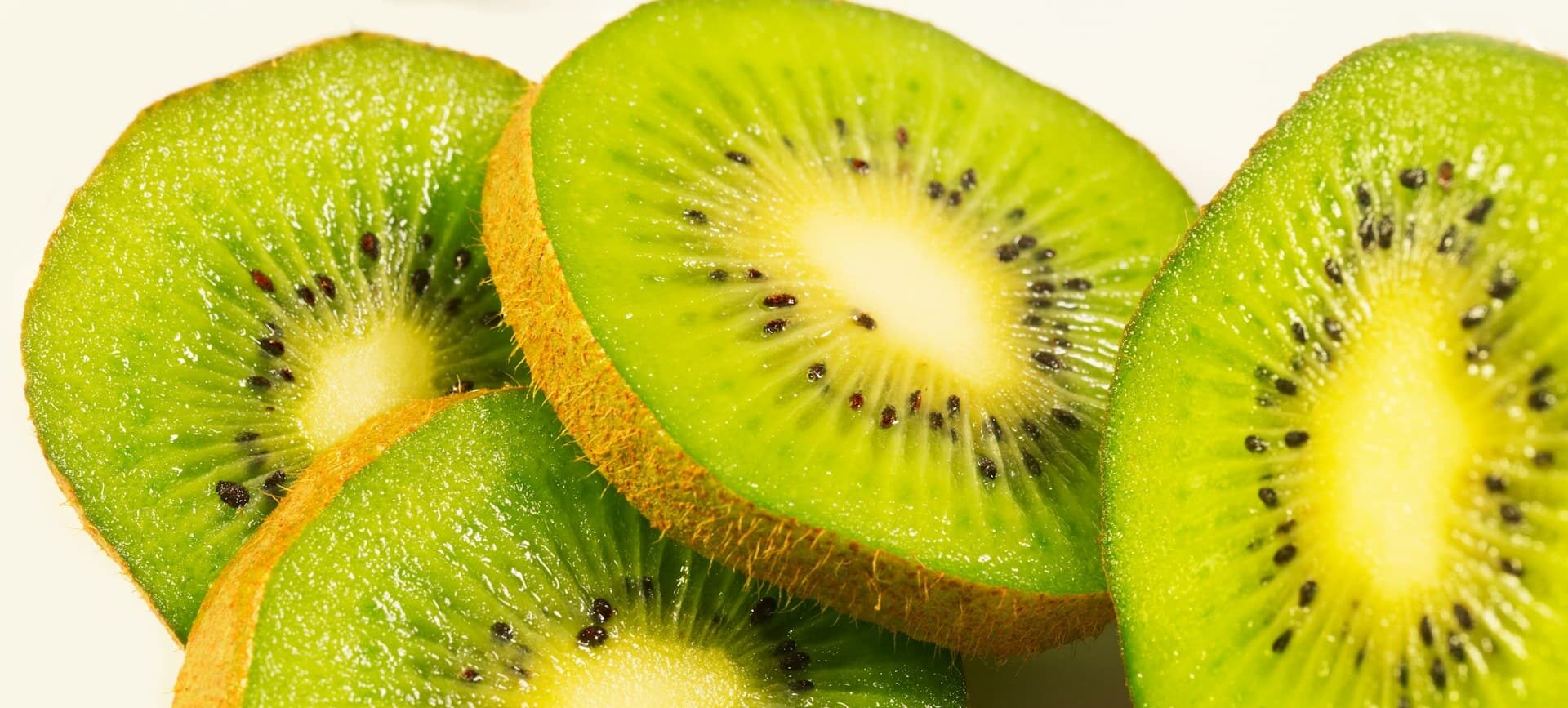
Of course, there's no need to boast, but it's true that this is a real event, because it's so rare... A world first for fresh fruit: a health claim is now authorised for green kiwifruit. Let's take a look at a 15-year marketing strategy that has just shaken up the entire sector, which is a little groggy at EFSA's systemic refusals.
The regulatory masterstroke: 90% of failure, but not for green kiwifruit
Imagine an obstacle course where only 11% of applicants reach the finish line. That's exactly the success rate for European health claims since 2007. Out of more than 2,300 dossiers submitted to EFSA, only 267 survived the scientific validation process.
And yet, on 31 July 2025, the impossible became reality: Hayward« green kiwifruit becomes the first fresh fruit in European history to receive an official health claim.
The claim that changes everything for Zespri
«Consumption of green kiwifruit contributes to a more balanced diet. intestinal function by increasing the frequency of bowel movements».»
This seemingly innocuous sentence represents a real earthquake for the fruit and vegetable sector. But why? Because it breaks a regulatory barrier that no one has managed to break in 18 years.
Conditions of use are strictly regulated:
- Strict formulation contributes to normal bowel function by increasing the frequency of bowel movements«.»
- Mandatory statement The beneficial effect is obtained by eating 200g of fresh green kiwifruit flesh a day«.»
- Regulatory disclaimers : The importance of a varied, balanced diet
15 years of research: When patience becomes a competitive advantage
How did Zespri achieve this feat? Well, Zespri didn't play the regulatory lottery. The New Zealand company has been methodically building its case since 2008, accumulating scientific evidence with the rigour of a pharmaceutical laboratory.
While most manufacturers rely on in vitro studies or meta-analyses, Zespri has financed randomised controlled trials on human cohorts. This approach, which is more costly but infinitely more robust, explains its success in the face of EFSA's implacable scrutiny.
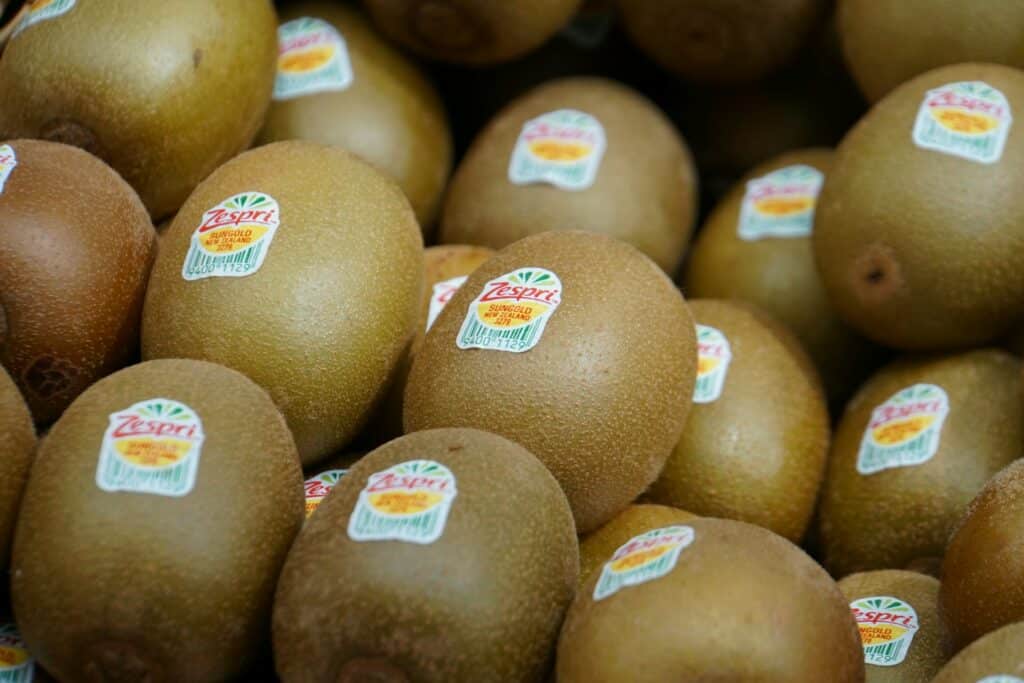
Competitive benchmark: Where does green kiwifruit stand in the claims ecosystem?
The «old hands» of the exclusive club
Before the arrival of kiwifruit, only a few players had managed to get past the EFSA's very strict hurdles’:
- Yoghurt cultures Lactose: «improves lactose digestion» (≥ 10⁸ UFC/g)
- Nuts Helps improve the elasticity of blood vessels« (30g/day)
- Olive oil polyphenols Protects against oxidative stress (≥ 5mg/20g oil)
- Wheat bran fibre accelerate intestinal transit« (≥ 10g/day)
Unlike processed ingredients (extracts, concentrates, isolates), green kiwifruit imposes a new paradigm: health claim on whole fruit. This «whole food» approach could inspire other players in the fruit and vegetable sector.
Regulatory decryption: Why do 90% files fail?
The 4 fatal traps identified by EFSA
- Lack of scientific rigour : Samples too small, lack of randomisation, botched protocols
- Product/proof mismatch : Studies on isolated compounds for whole food claims
- Insufficient documentation Incomplete or badly structured files
- Faulty product characterisation Lack of precision on composition, dose, matrix, etc.
The recipe for success: Zespri best practice
- Randomised human trials on healthy populations
- Precise characterisation of the product (Hayward variety, dose 200g/day)
- Comprehensive documentation in compliance with EFSA guidelines
- Patient-centred approach 15 years of continuous investment
Market impact: strategic consequences for the industry
Although the claim is generic (no brand exclusivity), Zespri benefits from a first-mover advantage considerable. The company can now :
- Differentiate your green kiwis on the basis of a scientifically validated health argument
- Justify a price premium over competitors
- Strengthening its position as technological leader in the sector
A new playing field for the fruit industry
This authorisation paves the way for other fruits with documented health benefits. Players in the sector are likely to step up their R&D investment to identify the next «green kiwi». As the claim is strictly limited to fresh fruit, it automatically excludes juices, purées and other processed products. A lesson for manufacturers: regulatory innovation can redefine competitive boundaries.
Other fruits with a robust scientific body of work could follow Zespri's lead:
- Blueberries (cognitive function, antioxidants)
- Grenades (cardiovascular health)
- Cranberries (urinary health)
The last word on green kiwifruit: well done!
Zespri has just proved that with patience, scientific rigour and substantial investment, it is possible to transform a simple fruit into a regulated health ingredient. A masterly lesson for all B2B players in the nutraceuticals sector who dream of sustainable differentiation.
References
- Regulation (EU) 2025/1560 - text, scope, conditions and entry into force. (EUR-Lex)
- EFSA Journal 2021;19(6):6641 - cause and effect relationship green kiwifruit ↔ normal intestinal function. (European Food Safety Authority)
- Euronews (21 August 2025) - first EU claim for fresh fruit (context). (euronews)
- The claim assyoghurt purée
- Regulation (EU) 432/2012 (consolidated annex) - examples of existing claims (nuts, olive oil polyphenols, wheat bran fibre, rye fibre) and conditions. (EUR-Lex)