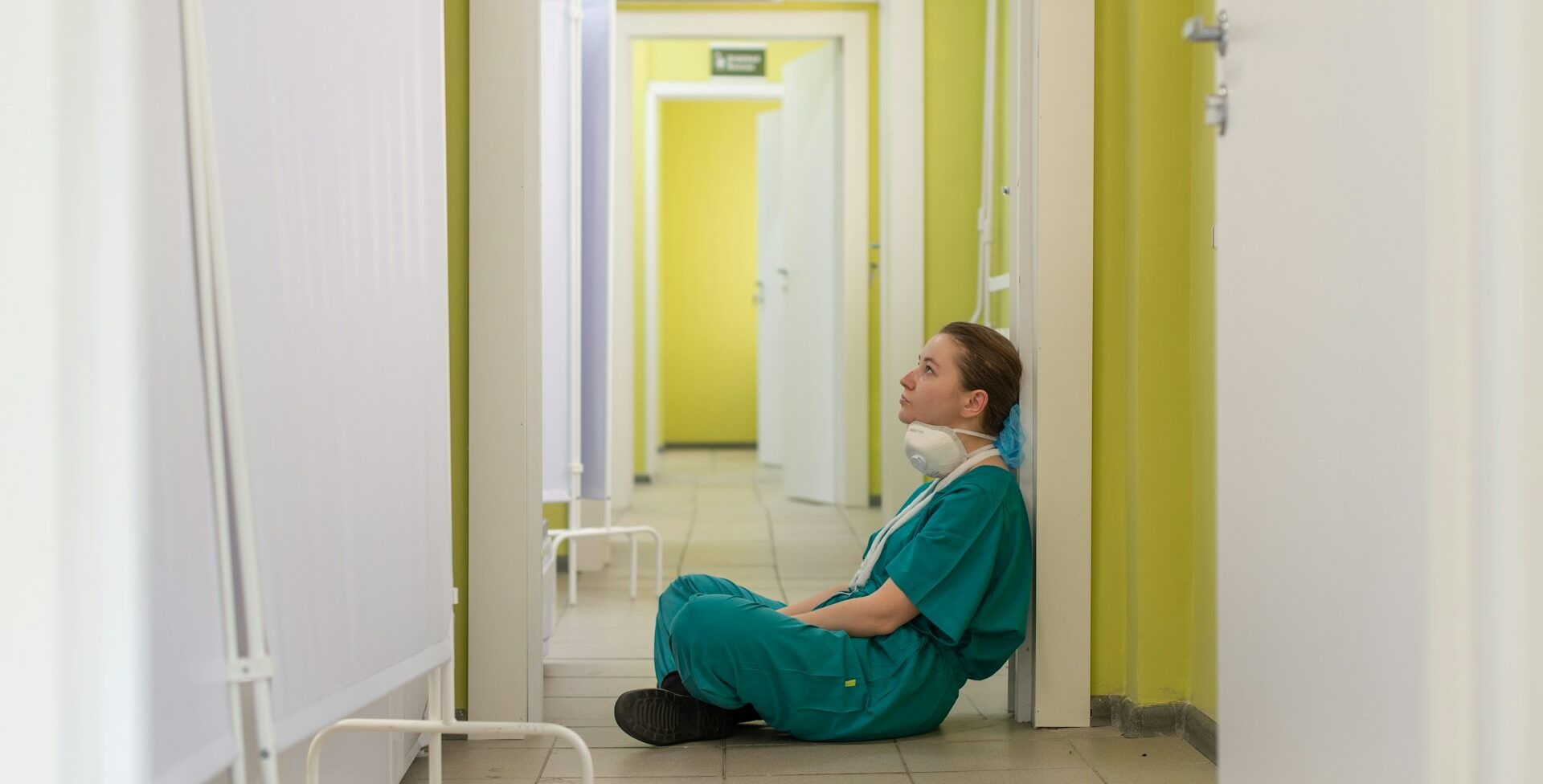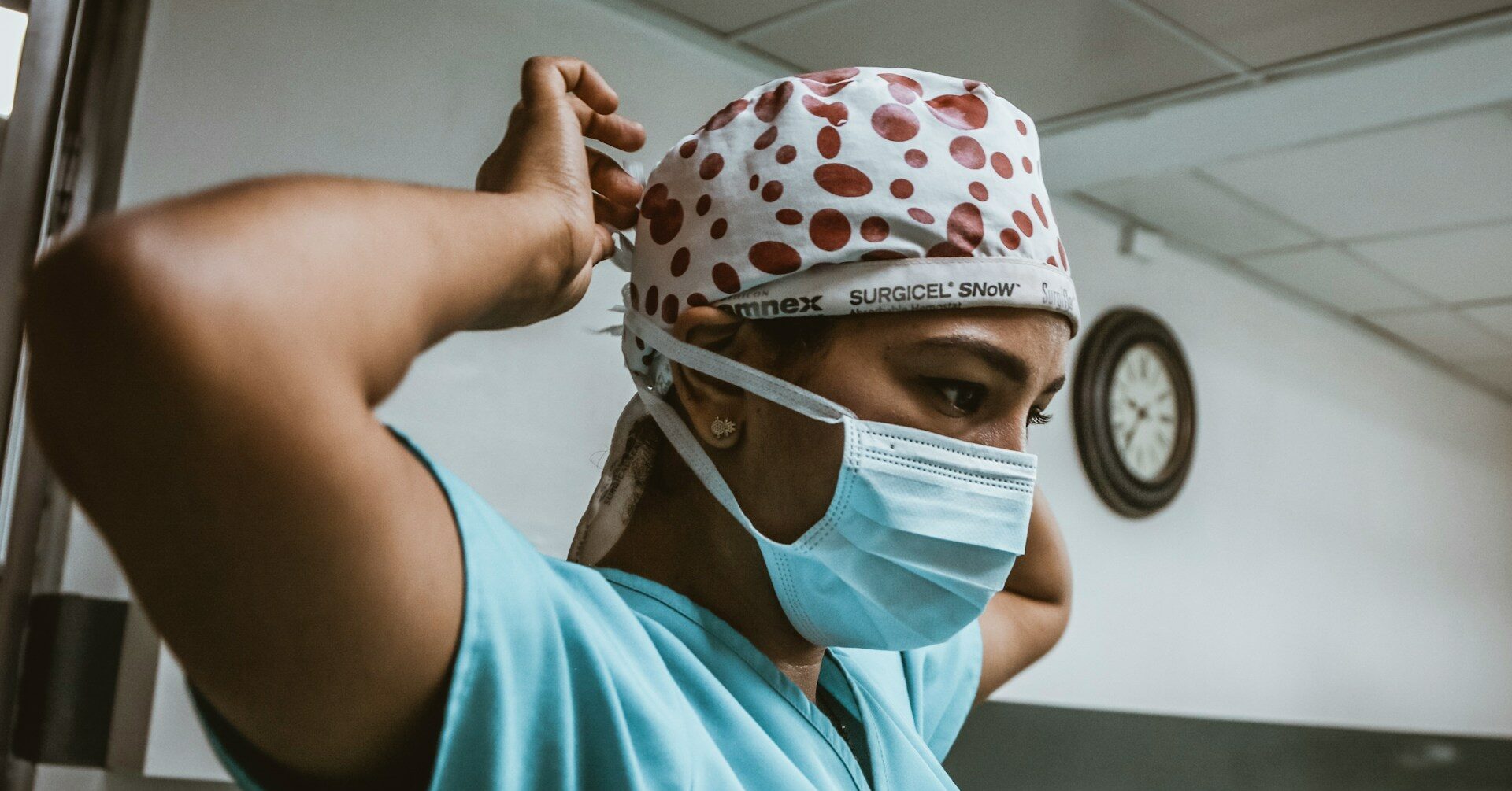
A recent study shows that nurses working shifts and suffering from chronic sleep debt are more susceptible to common infections. These scientific results open up new prospects for the food supplements industry, particularly immunomodulating and probiotic formulations, as a preventive intervention for this particularly vulnerable professional population.
Nurses have a real problem sleeping
Healthcare professionals, the backbone of the medical system, are frequently subjected to particularly demanding working rhythms, including night shifts and irregular working hours. These working conditions significantly disrupt their circadian rhythm and sleep homeostasis, with deleterious consequences for their immune function. In-depth research recently carried out in Norway provides evidence-based data on this complex issue and offers prospects for action by the immunonutritional food supplement industry.
Correlation between night work, sleep debt and immune vulnerability
The study, published in the peer-reviewed scientific journal Chronobiology International, analysed data from 1,335 Norwegian nurses prospectively over a significant period. The results show thathe combination of night work and cumulative sleep debt is statistically significant (p<0.01) in increasing the risk of upper respiratory infections and other infectious pathologies. in common. Multivariate analysis revealed a dose-response relationship: for each additional hour difference between the physiological need for sleep and the actual duration of rest, the relative risk of infection increases by 18% (IC 95%: 1.07-1.29).
The underlying physiological mechanisms mainly involve:
- Deregulation of the hypothalamic-pituitary-adrenal axis, with chronic elevation of cortisol
- Disruption of the production of pro- and anti-inflammatory cytokines
- Impaired natural killer (NK) cell activity
- Reduced expression of Toll-like receptors (TLRs)
Nurses : a large and «fragile» population»
In 2022, there will be around 1.83 million practising doctors in the European Union, concentrated in four major countries: Germany (381,249), Italy (249,869), France (217,441) and Spain (205,366), collectively accounting for 57.6% of the total number of medical practitioners in the EU.
With specific regard to the nursing population, professional density varies considerably between European countries, reflecting significant organisational disparities. Comparative analyses show that France maintains a ratio of around 120 nurses per 10,000 inhabitants, while Germany has a higher density, with 140 professional nurses per 10,000 inhabitants. Switzerland, by comparison, has almost 180 nurses per 10,000 inhabitants, making it one of the highest densities in Europe.
These statistics highlight a considerable professional population - estimated at over 3.1 million nurses in the EU - regularly exposed to working conditions likely to impair their immune competence.
Yes, it's a strategic opportunity for the food supplements industry !
This epidemiological situation represents a multidimensional strategic opportunity for the food supplements industry:
- Development of specific formulations based on scientific evidence :
- Development of synergistic complexes combining immunomodulating probiotics (strains of Lactobacillus rhamnosus GG, Bifidobacterium lactis HN019) and selective prebiotics
- Integration of immunostimulant nutrients with optimised bioavailability (chelated zinc, organic selenium, vitamin D3)
- Incorporation of adaptogens clinically validated for the regulation of oxidative stress induced by circadian desynchronisation (Ashwagandha, Rhodiola rosea) (subject to EFSA's opinion...).
- Development of nutritional education programmes based on chronobiology :
- Development of nutritional protocols adapted to irregular working patterns
- Dissemination of scientific information on the impact of chronorupture on cellular and humoral immunity
- Creation of specialised educational material aimed at this professional population
- Building strategic institutional partnerships :
- Working with university hospitals to implement intervention studies
- Partnerships with professional nursing associations for pilot supplementation programmes
- Development of integrated solutions for healthcare institutions' occupational health policies
Clinical implications and research prospects
This issue opens up a number of promising avenues of research:
- Evaluation of the effectiveness of supplementation protocols in reducing the incidence of infections among nursing staff
- Identifying early biomarkers of immune susceptibility linked to sleep debt
- Exploring the interactions between gut microbiota, chronic stress and immune competence in shift workers
Conclusion
The Norwegian study demonstrates with methodological robustness the increased immunological vulnerability of nurses exposed to shift work and chronic sleep debt. For the dietary supplements industry, the development of targeted, scientifically validated formulations represents an opportunity for innovation on two fronts: commercial through access to a specific professional segment, and ethical through a significant contribution to the preventive health of a population that is essential to the European healthcare system.
Source:
Hartveit Hosøy, D., et al. (2025). Night work and sleep debt are associated with infections among Norwegian nurses. Chronobiology International. doi.org/10.1080/07420528.2025.2455147.