


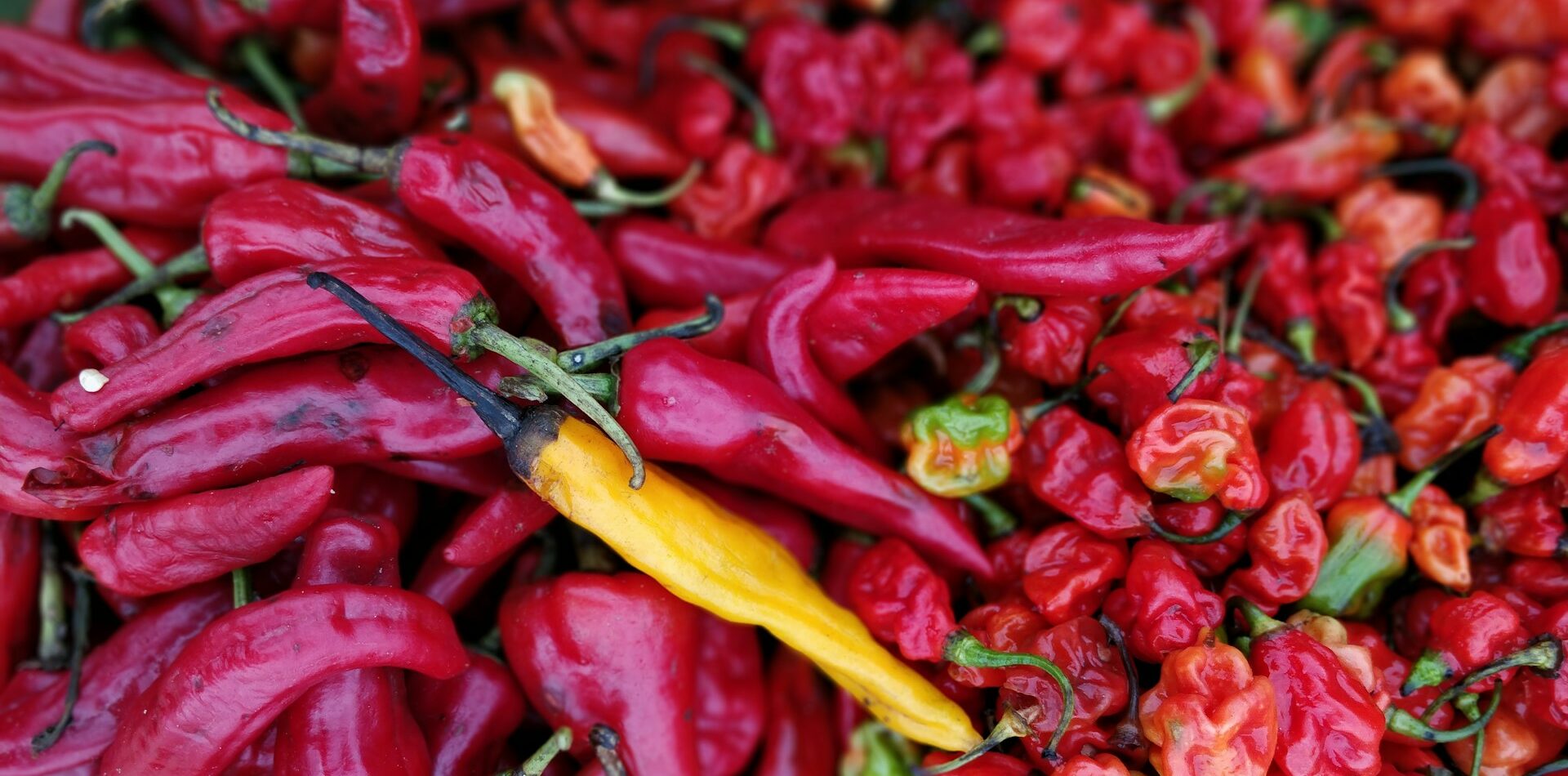
Analyses from the New Food Data show that chilli is now one of the most significant catalysts of contemporary food innovation. This phenomenon illustrates a dual dynamic: on the one hand, the intensification of consumer expectations towards ever more pronounced sensory experiences, and on the other, the strategic use of this ingredient as a differentiating lever for manufacturers in search of distinctive positioning.
The boom in this market is reflected in the accelerated growth of hot sauces, spicy snacks and ready meals, sectors which reflect a reshaping of eating habits and a reconfiguration of marketing priorities. These trends are validated by international studies and by the mapping of product launches referenced by New Food Data (source : ProteinsXTC).
Chillies and consumers: towards an intensification of eating practices
The rise of chilli in consumer preferences is not just a superficial fad, but a profound transformation in expectations and behaviour:
- Hedonic research and multisensory experiences The study Trend Focus #77 highlights the growing desire of younger generations to seek out intense eating experiences. In this way, «hot» becomes a source of culinary emotion, integrating pleasure, surpassing oneself and belonging to a community of consumers in search of strong sensations.
- Physiological dimension and nutritional sciences capsaicin, the bioactive molecule in this aromatic fruit-vegetable, is attracting a great deal of attention from academic and industrial research. Its potential properties - thermogenesis, regulation of appetite, metabolic stimulation - are fuelling a favourable narrative that is increasing the legitimacy of the condiment in nutritional and public health discourse.
- Cultural hybridization and the globalisation of tastes The growing influence of Asian, African and Latin American cuisines is behind the incorporation of chilli as a cultural marker. In Western societies, the incorporation of spice reflects a desire for culinary diversity and a growing openness to global influences.
In France, for example, the continuing growth of the spices and aromatics market confirms this trend: chillies are gaining ground, not only in traditional sauces, but also in functional drinks, food products, and so on. snacking and even some emerging categories such as spicy desserts.
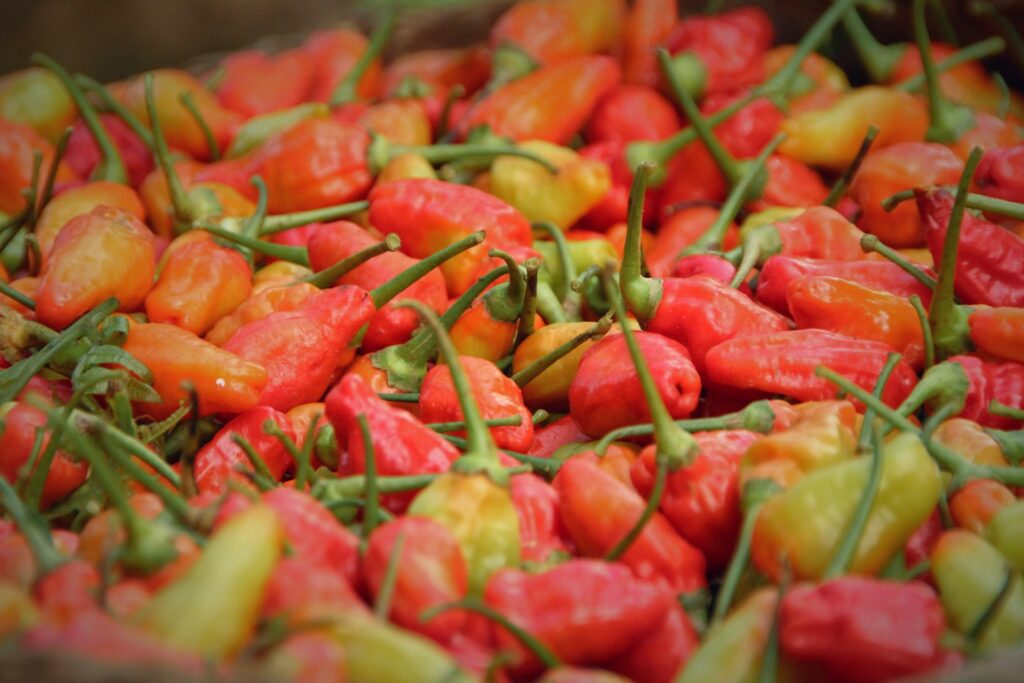
Peppers and innovation: a leading indicator of market dynamics
The chilli pepper now acts as a bellwether for structural trends in food innovation:
- Condiments and hot sauces the global market for hot sauces today exceeds several billion dollars, driven by a compound annual growth rate in excess of 5 % (IMARC Group). This segment is positioned as a laboratory for spicy innovation, where brands are testing a variety of intensities and exploring new combinations (chilli-mango, chilli-cocoa, chilli-kombucha).
- Snacking and ready meals The incorporation of chilli, modulated from «light» to «extreme hot», acts as a segmentation vector enabling manufacturers to capture distinct targets according to their tolerance to spiciness. The success ultra-spicy crisps and fiery noodles« bears witness to this.
- Fast food and limited edition strategy McDonald's and Burger King are capitalising on chilli through limited edition burgers and sauces. These initiatives create a feeling of exclusivity and reinforce the experiential dimension, making spiciness a driver of mainstream appeal.
- Media culture and gamification media formats such as Hot Ones or the viral «One Chip Challenge» (CNN, 2024) have helped to transform the spice into a cultural object. Spice is now consumed as an experience to be shared, a challenge to be met, generating virality and commitment despite health debates and safety limits.
These observations show that chilli has gone from being a peripheral flavour to a strategic variable in the development of product portfolios and brand discourses.
Spice and strategic opportunities
For manufacturers and ingredient suppliers, chilli is a particularly fertile area for development:
- Sensory and geographical segmentation The introduction of graduated ranges (mild, medium, hot, extreme) allows us to respond to the diversity of cultural preferences and physiological tolerance capacities. Asian markets, for example, have a greater propensity for higher intensities, while European markets prefer a gradual increase in intensity.
- Health, nutrition and the regulatory framework The benefits attributed to capsaicin must be carefully considered in the light of the legal constraints involved. health claims. The challenge for brands is to strike the right balance between credible scientific communication and attractive storytelling.
- Experiential marketing and co-branding strategies chilli offers powerful storytelling possibilities, whether it's associating a product with an intense sensory experience or forging partnerships with restaurant chains, culinary influencers or entertainment platforms.
- Sourcing, transparency and sustainability in the face of growing demands for transparency, thehe emphasis on the origin of chillies, farming methods and fair trade practices is becoming a differentiating factor. In this way, the chilli industry is positioning itself as a prime area for combining sensory performance and social responsibility.
- Cross-fertilisation incorporating chilli pepper into unexpected segments (energy drinks, top-of-the-range chocolates, fermented dairy products) opens up new horizons for diversification. The intersection between spiciness and other trends (organic, allergen-free, functional) increases its strategic potential.
Conclusion: from condiment to strategic pillar of innovation
Data from New Food Data confirms the rise of the chilli pepper from a simple flavour enhancer to a a central vector for global food innovation. Its uniqueness lies in its ability to combine sensory intensity, physiological potential, cultural depth and narrative force.
For companies, spice is more than just an ingredient: it embodies a strategic platform for combining differentiation, appeal and sustainable growth. In a saturated competitive environment, focusing on spice means introducing a high value-added experiential dimension, capable of generating consumer commitment, brand recognition and sustainable competitive advantages.
Reference
New Food Data - ProteinsXTC, Trend Focus #77 - Chilli pepper.