There's no denying it: the food industry is at a turning point. According to the latest research from’Innova Market Insights, 58% of the world's consumers now give priority to the quality of ingredients in their food purchases. To remain competitive in 2025, it's no longer enough to simply offer products: you have to offer real added value. Here is our analysis of the major trends that will shape the market and our recommendations for adapting to them.
Quality ingredients and personalised health
The first trend identified by Innova, «Ingredients and Beyond», is setting the bar very high for the food ingredients sector. We can see that the freshness, nutritional value and traceability of ingredients are becoming decisive purchasing criteria. Highlighting the superior quality of ingredients gives us a significant competitive advantage. Having said that, it's clear that failing to meet these 3 criteria has become a redhibitory criterion in the minds of consumers.
Nearly 60% of consumers are taking a proactive approach to their health. The concept of «Precision Wellness» is emerging as a major trend. Consumers are looking for functional products tailored to their lifestyle, age and specific needs. For you, this means developing targeted ranges to meet specific needs: women's health, weight management, mood or performance.
Taste innovation: daring to be creative
The growing appetite for taste innovation is very much in evidence: more than half of consumers worldwide are interested in flavour combinations, while 37% follow viral food trends on social networks. To stand out in a saturated market, you have to surprise with original taste experiences and unexpected collaborations.
Intestinal health: a booming market
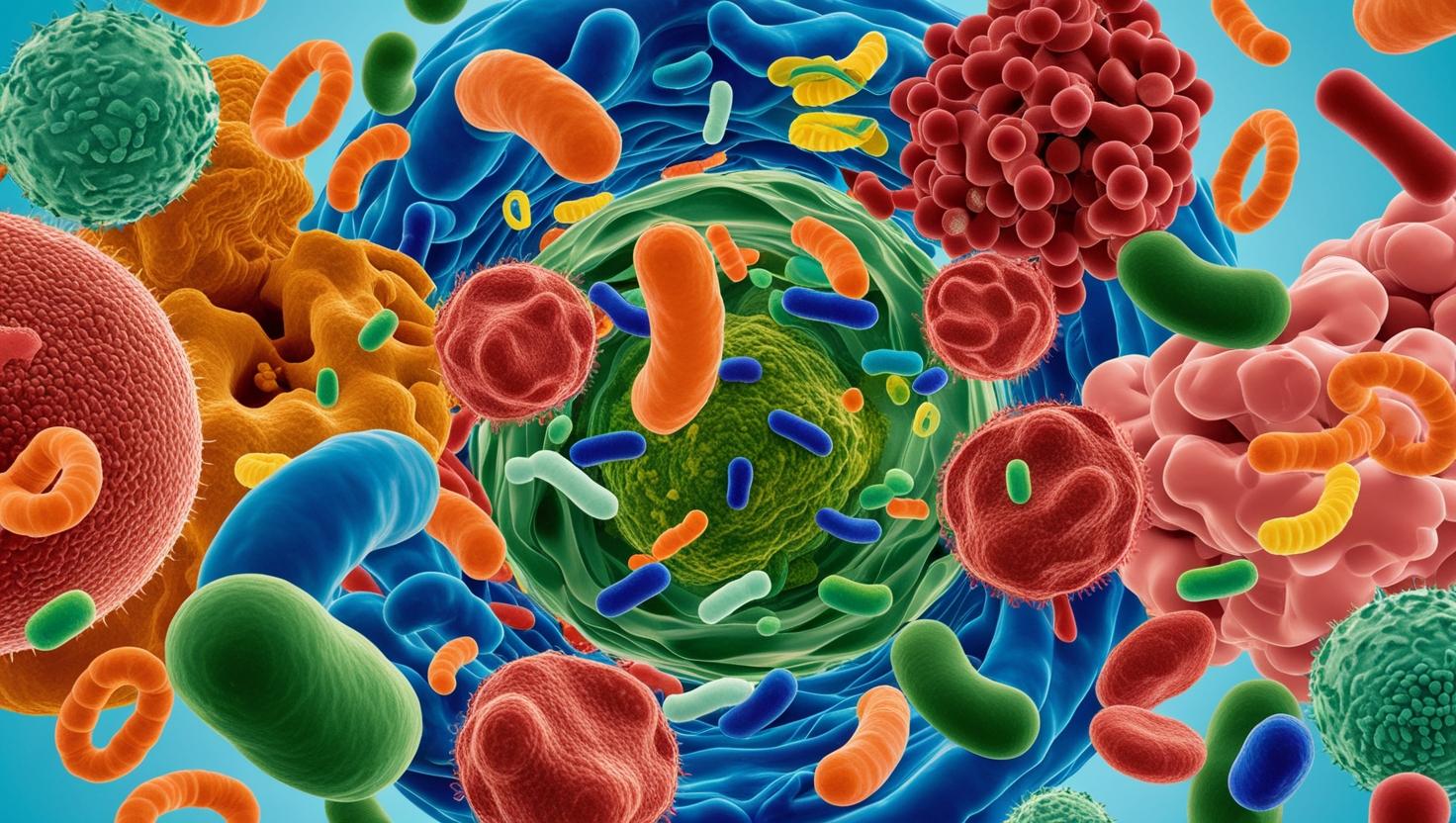
The pandemic has heightened interest in digestive health, which we identify as a growing priority. Products promoting digestive health benefits are becoming increasingly popular. annual growth of 8%. Fibre and probiotics are star ingredients driven by a better understanding of the microbiome. And to think that the study of our intestinal microbiota dates back to the early 20th century with Pasteur and Metchnikov... And yet, this organ continues to fascinate, because we still haven't mastered its many secrets.
Plants rethought: back to nature
Nature always comes back at a gallop! A average annual growth of 23% 55% of consumers prefer raw plant products to alternatives to meat or dairy products. The challenge: combining naturalness and innovation while avoiding ultra-processing. A veggie «burger» with almost 17 additives raises questions, at a time when consumers are trying harder to understand what they are eating, in what proportions and from what source.
Climate adaptation: a strategic challenge
Nearly half of consumers are aware of the impact of climate change on food, particularly through price rises. This reality is driving us to innovate, in particular by developing alternatives to climate-sensitive ingredients such as cocoa, coffee and olive oil. Take cocoa, for example, precisely. In the face of the cocoa crisis, a number of innovations are gaining ground. Companies like Planet A Foods are producing plant-based alternatives from fermented oats and sunflower seeds, while start-ups like Celleste Bio are developing laboratory-grown cocoa. Others are transforming grape or beer brewing residues into chocolate substitutes. These solutions offer a sustainable response to climate shocks, record prices and falling stocks, while meeting new consumer expectations.
Trends that come and go
Other trends are strengthening or emerging:
- «Beauty Food: Brands are exploiting functional ingredients such as collagen, antioxidants and vitamins to offer natural solutions to aesthetic concerns. For example, smoothies enriched with collagen peptides, snacks with antioxidant «superfoods» or «adaptogenic» plant-based drinks target consumers concerned about their outward appearance. But this is a trend that comes and goes in cycles. The challenge is to be able to demonstrate the actions of the targeted ingredients.
- «Tradition Reinvented: Today, culinary reinvention goes beyond the simple addition of modern ingredients. Chefs and manufacturers are turning to forgotten ancestral techniques, such as slow fermentation or the use of old varieties of cereals, They are also adapted to contemporary formats. Similarly, dishes such as cassoulet or paella have been revisited using local organic ingredients, tricoloured quinoa instead of traditional semolina, or Asian flavours for a global touch. These reinterpretations do more than simply modernise the recipe: they tell a story, combining cultural authenticity and gastronomic innovation.
- «Mindful Choices: Conscious eating is now rooted in emotional and mental balance. One striking example is the emergence of nutritional bars that include natural nootropics or botanical extracts specifically designed to reduce stress. These products, often associated with well-defined rituals (a snack after meditation, an infusion before bed), reinforce the idea that food can become a daily tool for managing anxiety, improving resilience to stress and even boosting mental clarity.
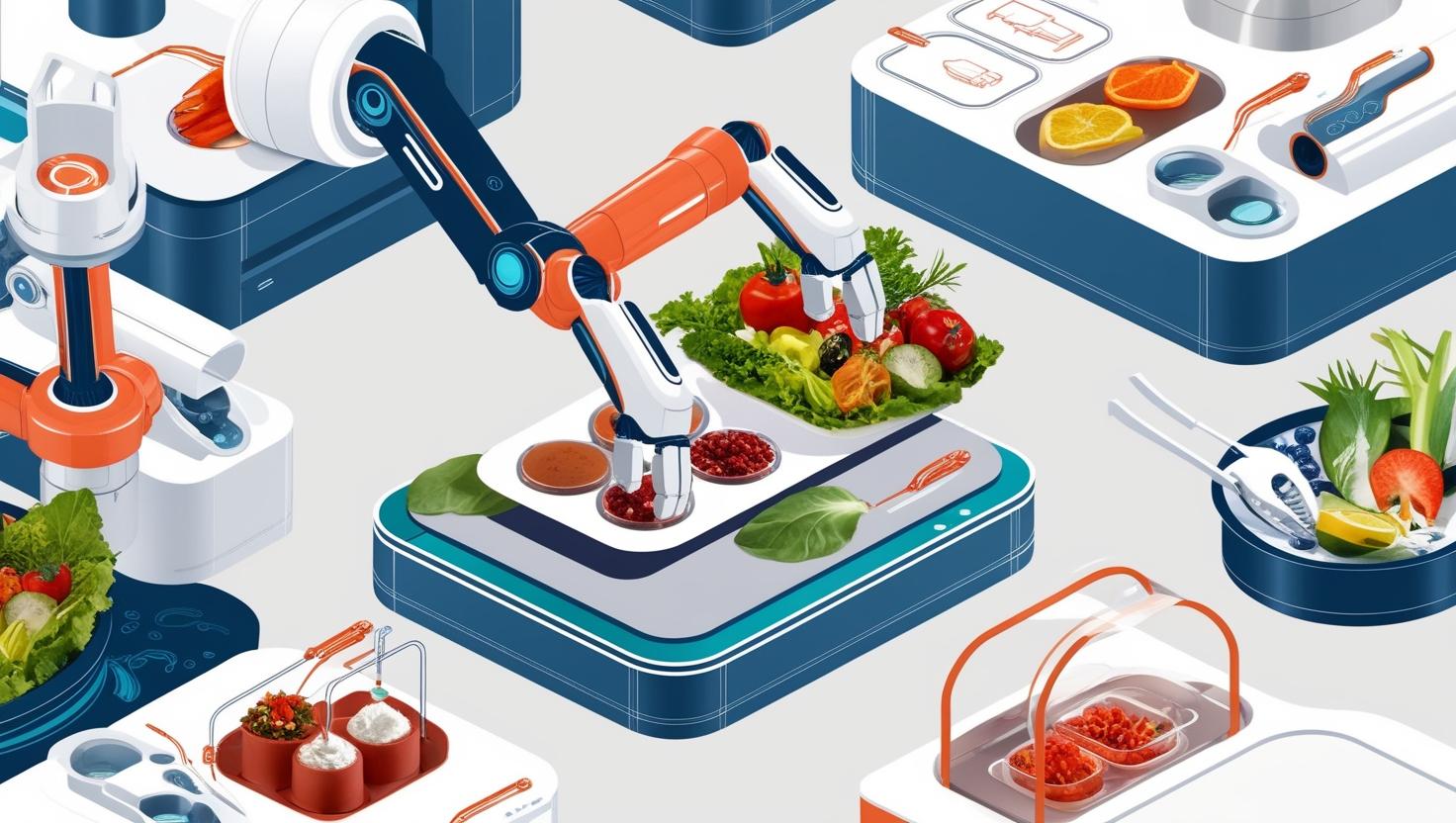
- «Bytes to Bites»: artificial intelligence at the service of food innovation. Thanks to automatic learning algorithms, Using AI, companies can identify the most promising combinations of ingredients, adjust recipes to improve taste or texture, and even predict future consumer trends. For example, some start-ups are using AI to create meat and fish substitutes of unrivalled quality and durability, Others are developing personalised food solutions based on individual health data. AI is thus becoming a key driver of innovation, paving the way for tastier, healthier and more sustainable food.
Strategies for staying competitive
To thrive in this changing environment, we believe you need to :
- Investing in the quality of ingredients and the transparency of their sourcing
- Develop personalised offers based on accurate consumer data
- Daring to innovate in terms of taste, while respecting the naturalness requirement
- Integrating sustainability into our procurement strategy
- Exploiting new technologies to optimise production and distribution
Conclusion
2025 marks a decisive turning point for our industry. The companies that succeed will be those that are able to combine quality ingredients, personalisation and responsible innovation. In a market where 58% of consumers prefer quality, differentiation means a holistic approach integrating health, sustainability and consumer experience. The data from Innova Market Insights clearly shows that the future belongs to brands that are able to anticipate and adapt to these new demands.
References:
https://www.innovamarketinsights.com/press-releases/top-ten-trends-2025