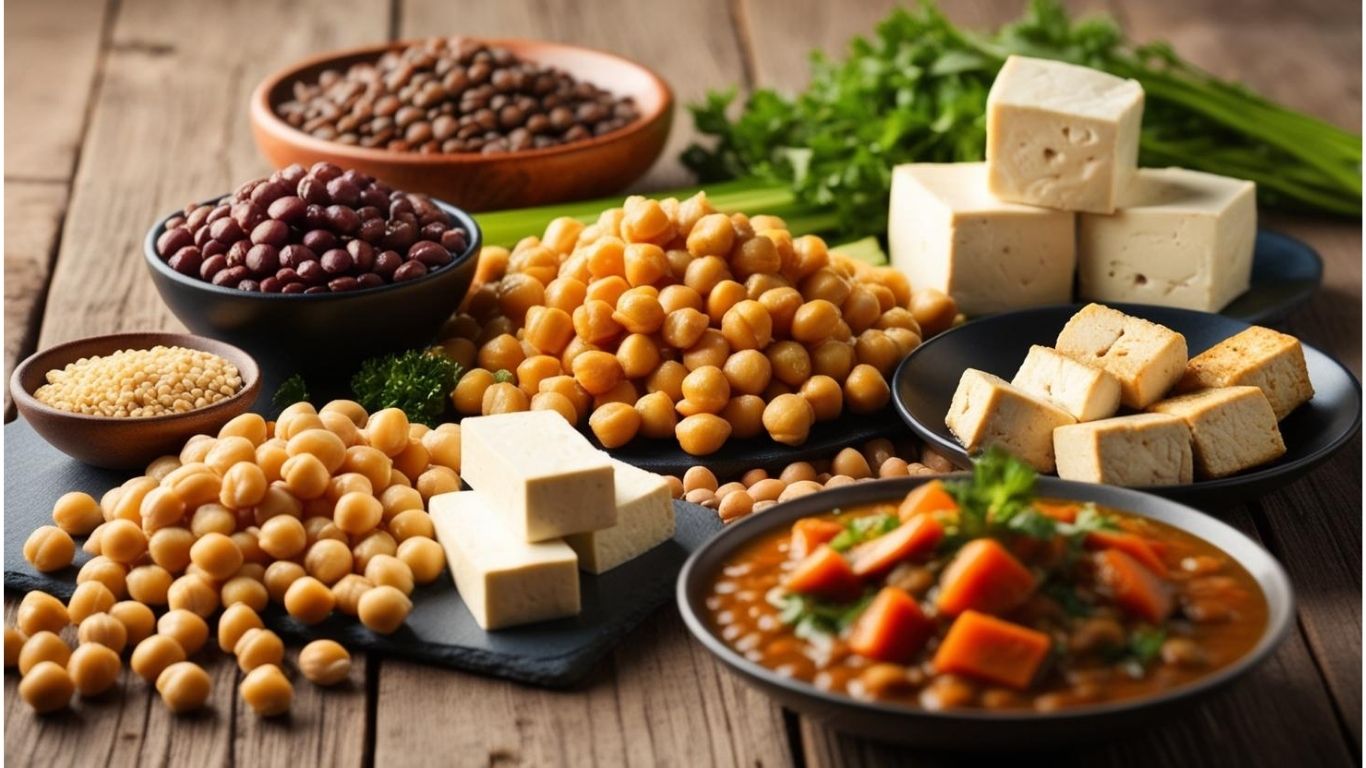
In 2025, the plant protein landscape is being enriched by promising new sources. While classic options such as soya and peas still dominate the shelves, new players are emerging and redefining industry standards. Here's a look at the new rising stars of this plant-based revolution.
1. Sunflower, an outsider with a difference
Long relegated to the background, sunflower protein is now on the scene. What makes it so appealing? Its complete nutritional profile, rich in essential amino acids, and its low environmental impact. It is also an ideal solution for food allergies, offering manufacturers a credible and competitive alternative to soya.
Focus: Start-ups and major groups are investing in the development of sunflower protein-based products, whether protein bars, drinks or meat substitutes.
2. Microalgae for sustainable nutrition
Microalgae are no longer confined to the shelves of food supplements. In 2025, they will be fully integrated into everyday food formulations. These little marine wonders offer exceptional nutritional density and require very few resources to grow. The result is a hyper-sustainable solution that appeals to brands concerned about their ecological footprint.
3. Mycelial fungi, the stars of textured alternatives
When it comes to texture, mycelial mushrooms work miracles. By playing with the mushroom's natural fibres, researchers have succeeded in creating proteins with fine structures, capable of imitating the muscle fibres of meat. Their neutral taste and versatility make them an ideal base for top-of-the-range gourmet products.
Pro tip: Market players are banking on partnerships with Michelin-starred chefs to introduce these ingredients into refined dishes, increasing their appeal to demanding consumers.
4. Moringa, a multi-faceted superfood
Moringa, nicknamed «the miracle tree», is gaining ground. As well as its nutritional potential, it is attractive for its ability to enrich a variety of products, from drinks to snacks and sauces. Its richness in vitamins, minerals and antioxidants makes it an ideal ally in meeting the growing demand for functional foods.
5. Challenges for these newcomers
Despite their advantages, these new sources of protein still have to overcome a number of obstacles:
- Market education : Consumers need to be convinced of their added value, both in terms of nutrition and sustainability.
- Production costs : These emerging proteins need to become competitive with well-established options.
- Investment in R&D : Perfecting transformation processes is essential to guarantee attractive, affordable end products.
- Taste The differences are significant, and the results surprising, exceptional or mixed. And yet this is where everything hinges in the mind of the consumer, whether vegetarian, vegan or flexitarian.
Outlook: Companies that succeed in meeting these challenges and positioning their products as healthy, tasty and sustainable will have a clear advantage in this rapidly expanding market.
Conclusion ?
The year 2025 promises to be a pivotal time for the plant protein industry. With constant innovation, growing consumer demand and increased investor support, this sector is set to redefine the way we eat. This diversification is in response to growing demand for sustainable alternatives to meat, supported by technological advances in extraction processes and the EU's favourable regulatory framework. Innovations are focusing in particular on improving functional properties and developing more sustainable extraction processes, while the market is moving towards hybrid and clean label solutions. Investment in R&D is increasing, enabling crops to be optimised and new applications to be explored, particularly in the plant-based dairy products sector. However, the volatility of raw material prices and the need to optimise large-scale production processes are major challenges. The sector will also have to deal with consumers' expectations in terms of taste and texture, while maintaining competitive prices.
Given the rapid changes taking place in the market, how can industry players guarantee the stability of their raw materials supply while maintaining affordable prices for end consumers? This will be the subject of one of our forthcoming analyses.
References:
[1] https://www.mordorintelligence.com/fr/industry-reports/global-plant-protein-market
[2] https://www.marketsandmarkets.com/Market-Reports/plant-based-protein-market-14715651.html
[3] https://www.xerfi.com/presentationetude/Le-marche-des-proteines-alternatives_22IAA68
[4] https://www.researchnester.com/reports/alternative-protein-market/4748
[5] https://www.statista.com/statistics/658619/global-plant-protein-market-value/
[6] https://www.statista.com/statistics/1242360/vietnam-alternative-protein-market-value/
[7] https://fr.statista.com/themes/10603/les-regimes-vegetarien-et-vegan/