
Science decoded, the business angle included.
Ingredient markets, clinical studies under scrutiny, regulatory, AI visibility. Every insight is sourced — PubMed, EFSA, dated reports — and ends with what it changes for your pipeline.
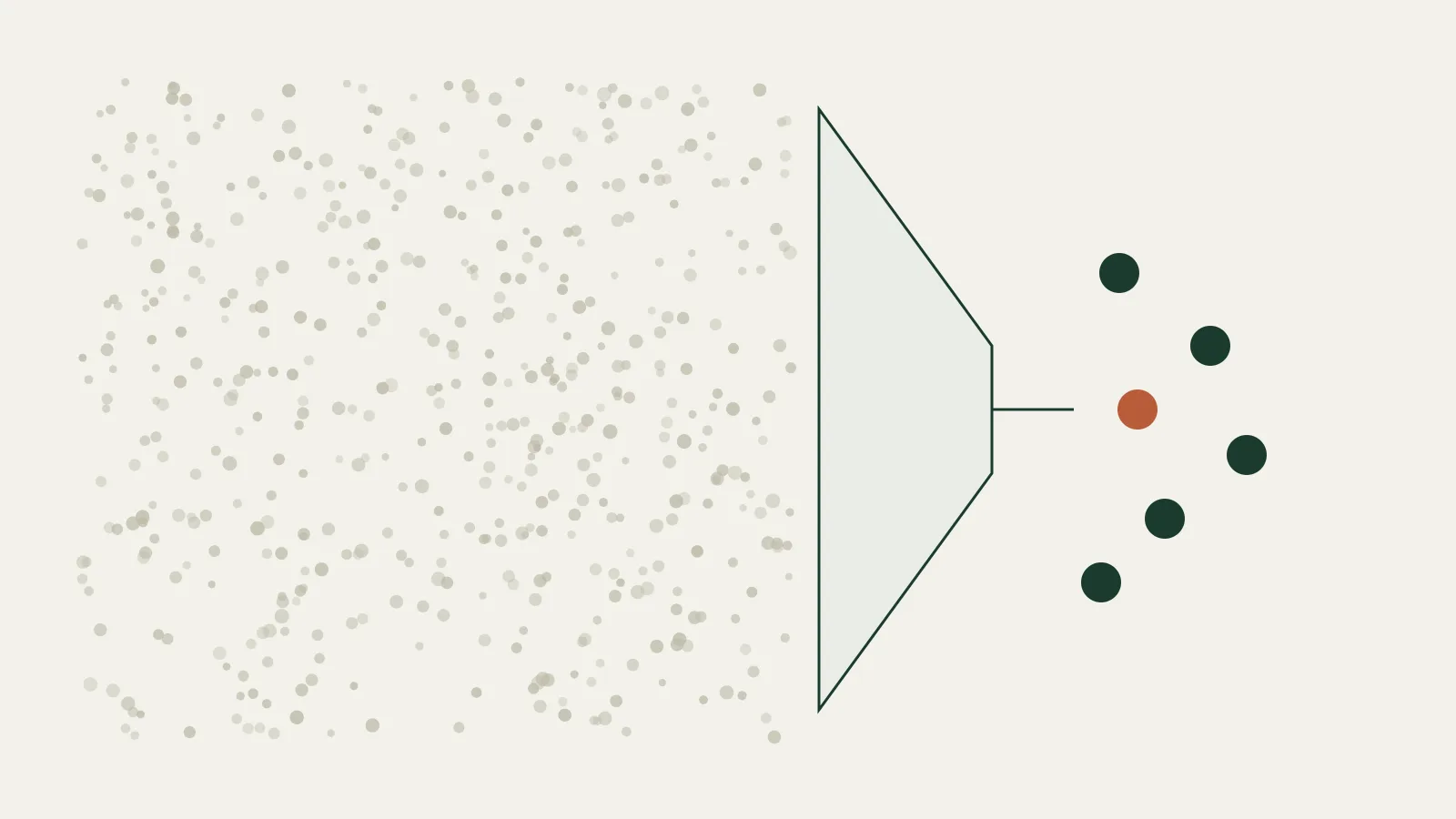
Scientific and regulatory monitoring: 3 streams to automate
Scientific and regulatory monitoring: PubMed indexed 9,612 papers on biotics in 2025, 347 of them randomised trials. Automating means sorting first.
Postbiotics: 4 Strains with Solid Scientific Evidence
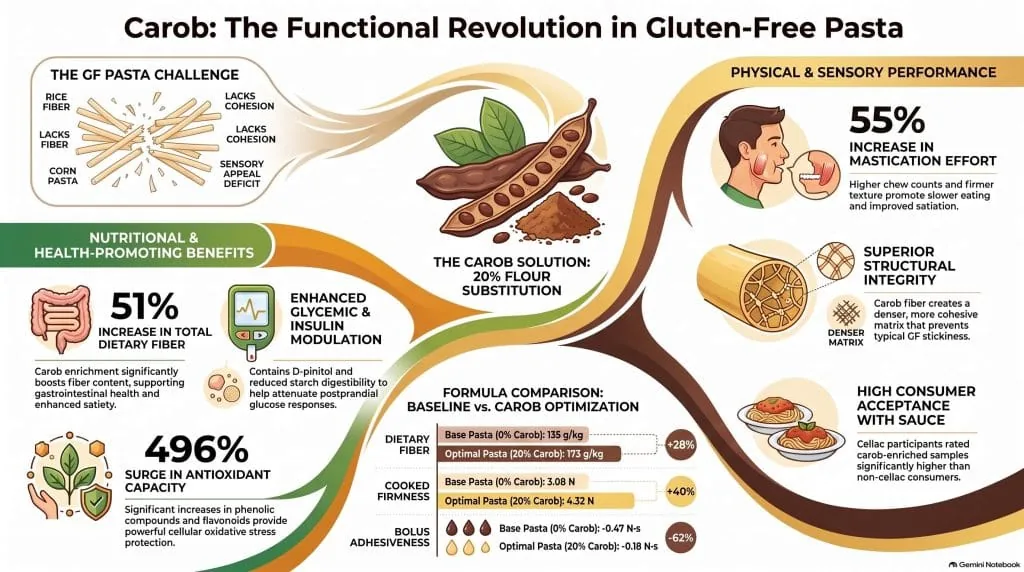
Carob flour: the texture lever for gluten-free pasta
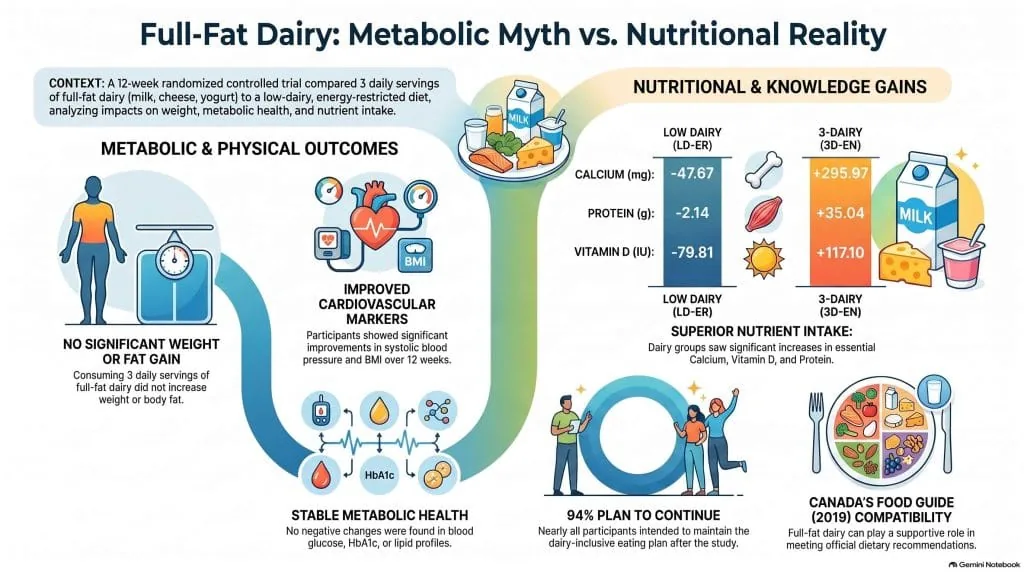
Dairy matrix: why full-fat is coming off the bench
In brief — A University of Toronto trial (74 adults, 12 weeks, Journal of Nutrition, 2026) shows three daily servings of full-fat dairy worsen neither weight…
Read the insight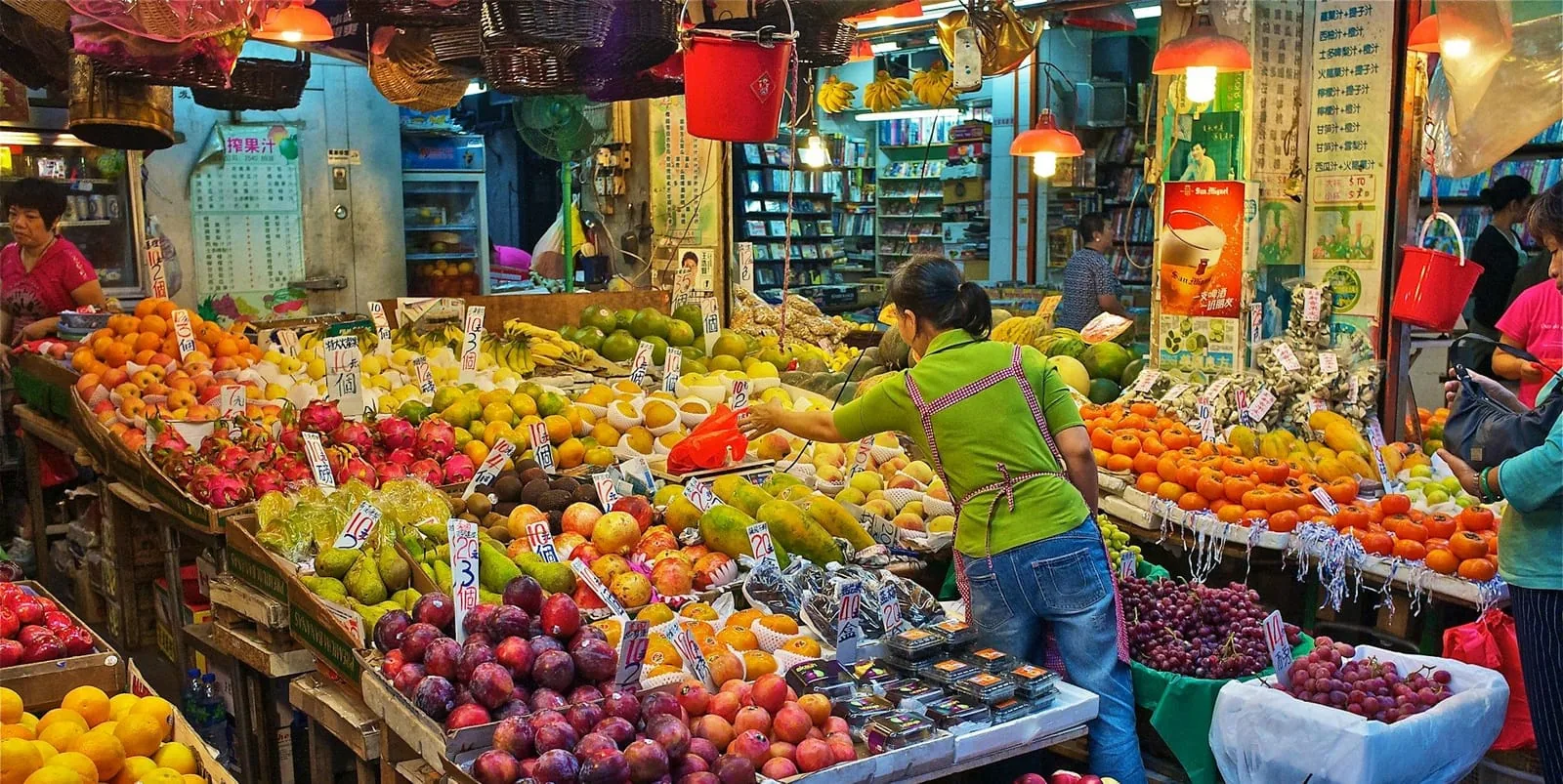
Healthy eating at 4.28 $ per day: the R&D; 2026 report
In brief — The SOFI 2026 report (FAO, IFAD, WHO, WFP, UNICEF) estimates the cost of a healthy diet at USD 4.28 PPP/day in 2025, compared to USD 2.94 PPP in
Read the insight
Food Matrix: Why the Whole Egg Wins
The food matrix is a game-changer: the whole egg beats egg whites alone for protein synthesis. Find out why your isolates are no longer sufficient.
Read the insight
Late-night meals desynchronise the gut's circadian clock
Late-night meals disrupt the gut's circadian clocks. Risks for shift workers, jet lag and chrono-nutritional approaches.
Read the insight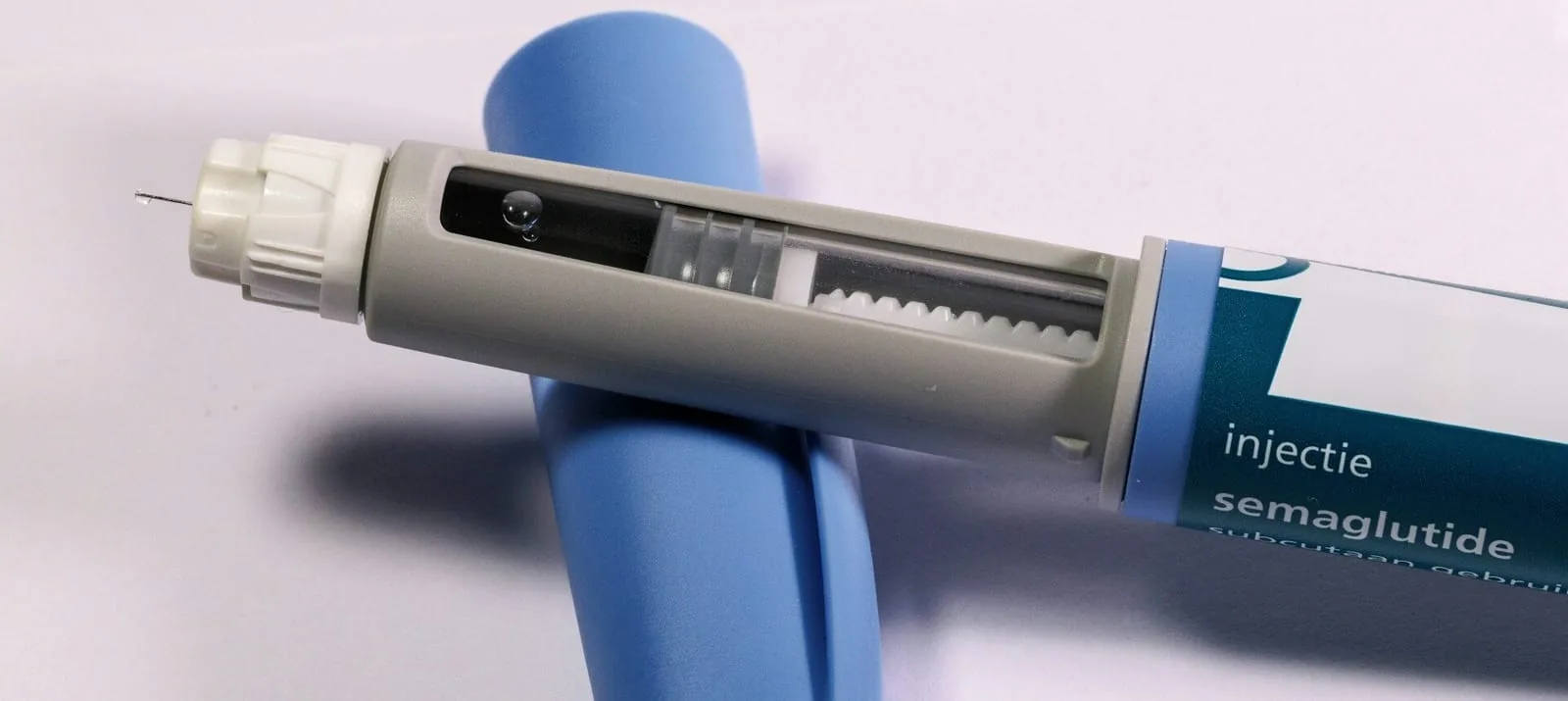
GLP-1 and diet: what foods for Ozempic and Wegovy users?
GLP-1 medications (Ozempic, Wegovy) change eating habits. Which foods should be favoured? What are the opportunities for the food industry?
Read the insight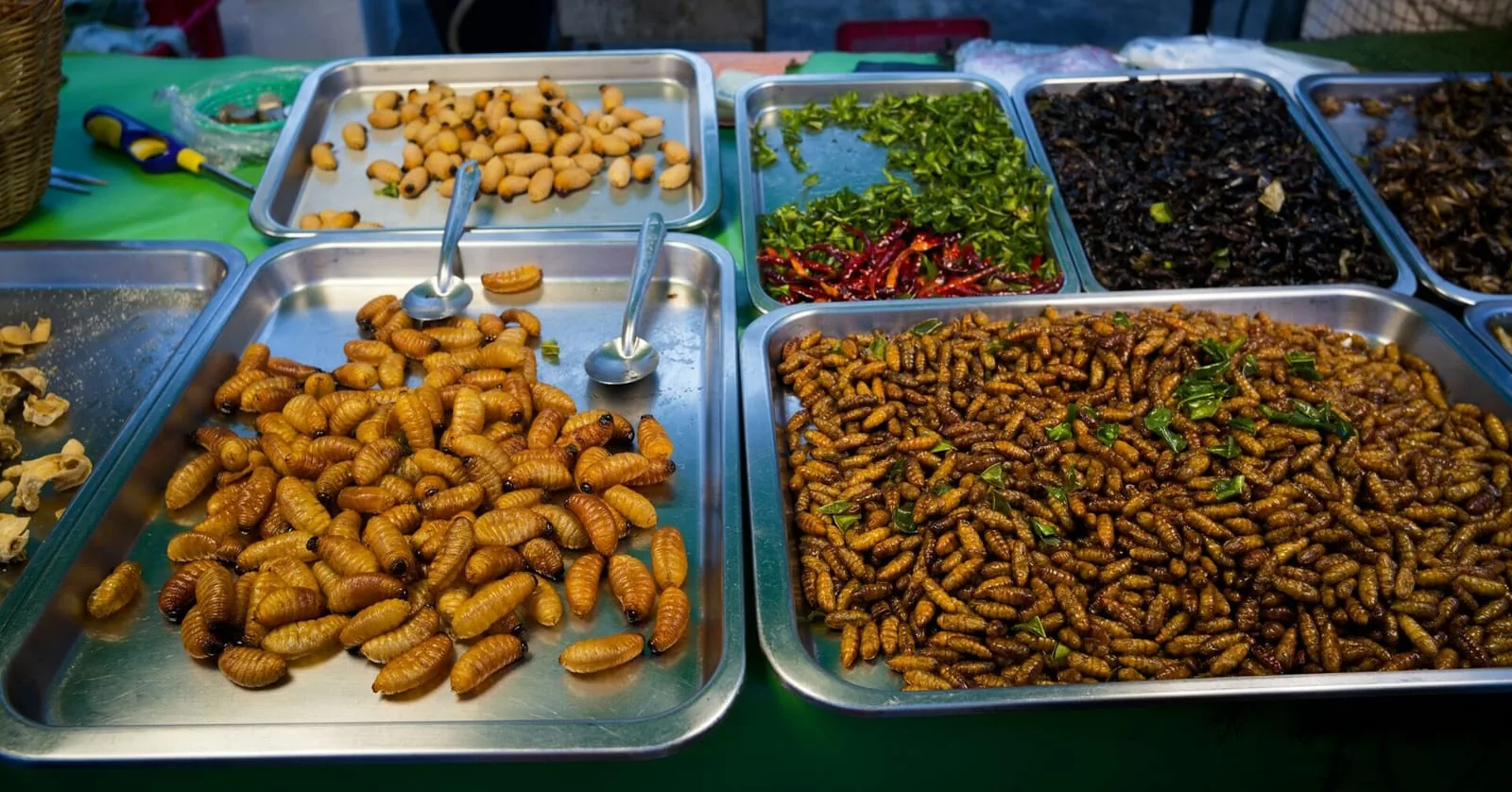
If Europeans shun insects, it might be genetic
Why do Europeans reject edible insects? A 2026 study shows that this aversion has been encoded in their genome for 9,000 years.
Read the insight
How taste overtakes clean label in 2026
Clean label = a prerequisite, not a selling point. 52% of US shoppers prioritise taste. How can we bridge the sensory gap without compromising on naturalness?
Read the insight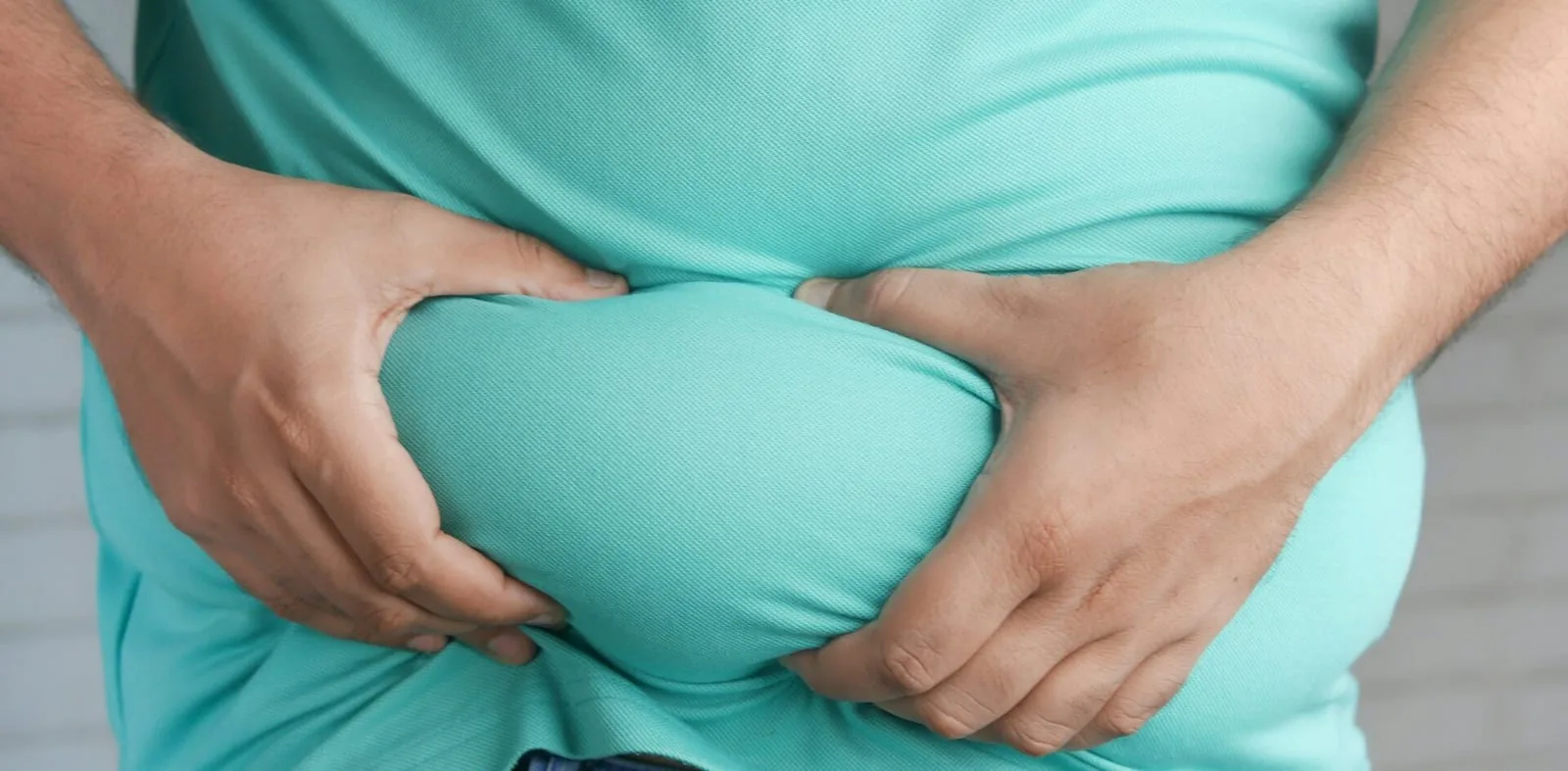
Beige fat: when the intestinal microbiota does the work that diet alone cannot do
Microbiota and beige fat: a Nature study shows how intestinal bacteria activate thermogenesis via FGF21 and bile acids.
Read the insight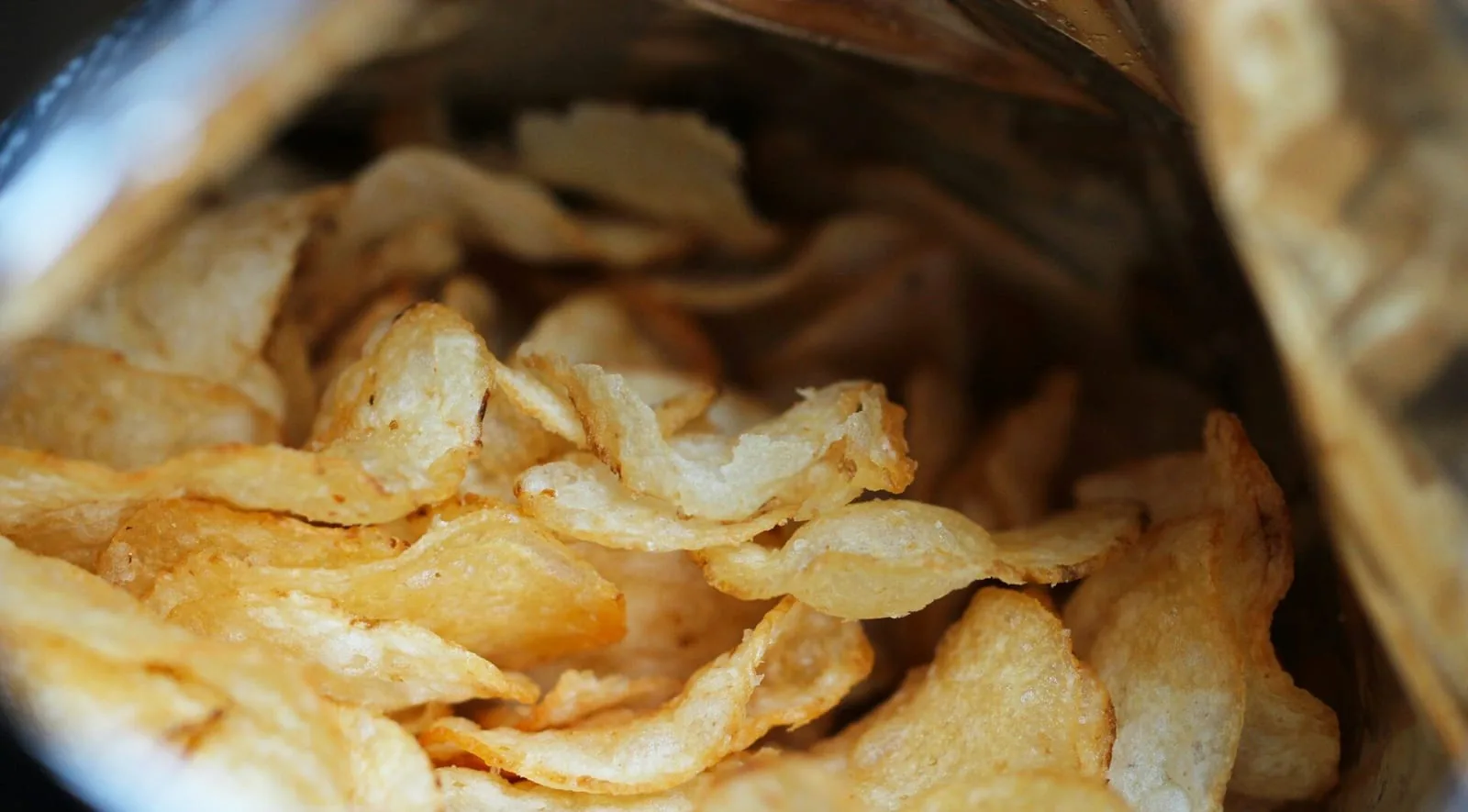
Snacking: your brain says yes long before you're hungry
Snacking: a neuroscience study shows that the brain continues to value snacks even after satiety. Our analysis.
Read the insight