
Science decoded, the business angle included.
Ingredient markets, clinical studies under scrutiny, regulatory, AI visibility. Every insight is sourced — PubMed, EFSA, dated reports — and ends with what it changes for your pipeline.

Food micro-segmentation: what's coming for your ingredients
The SIAL White Paper identifies 6 factors burying the universal food model. Here's what food micro-segmentation changes for your ranges.

Made in EU label: the key to the Chinese market in 2026
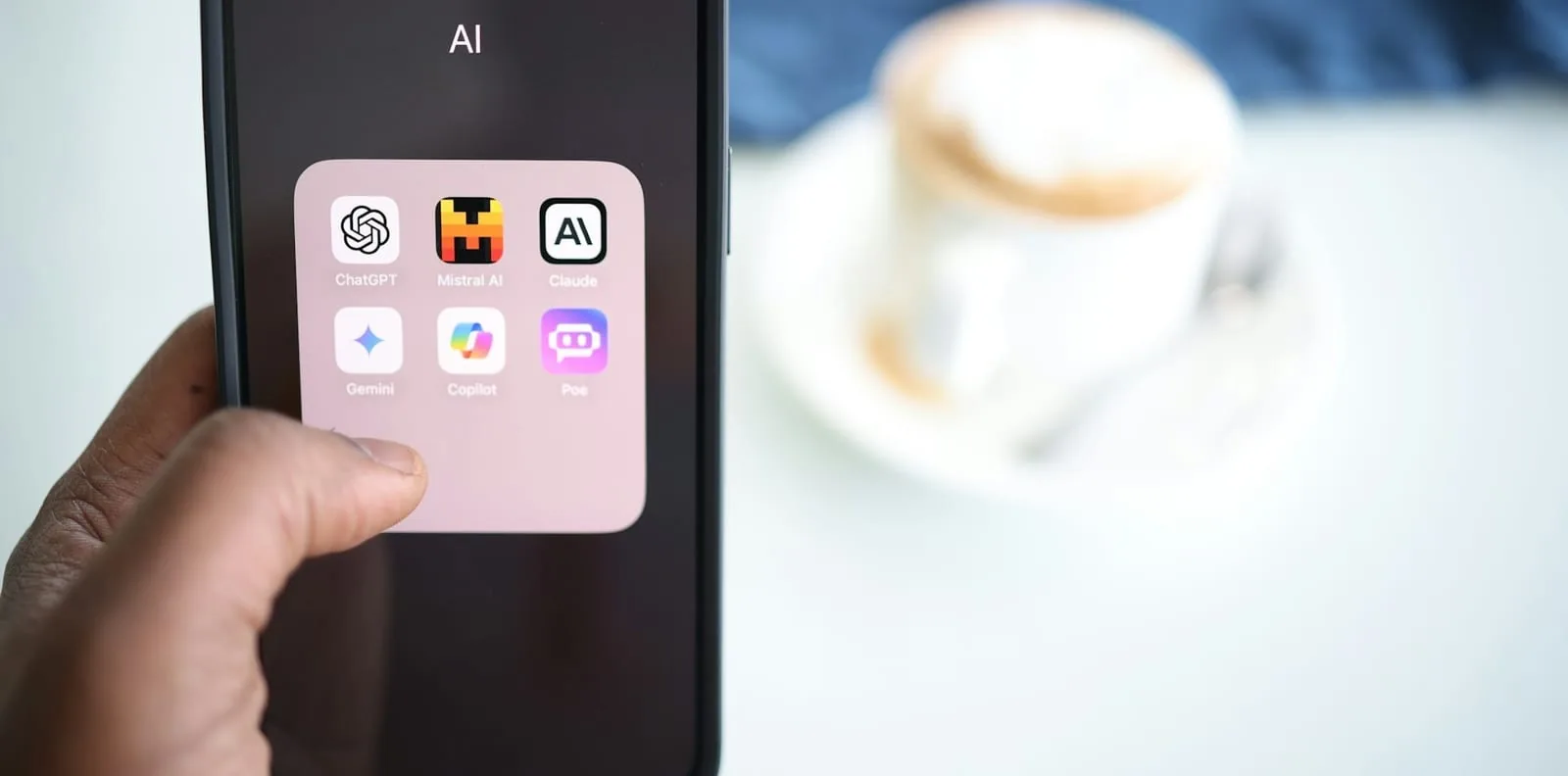
The AI Act and health content: the exception that saves your editorial line

Platforms have overtaken television. In nutrition and health, it's trust that's becoming scarce.
Social media, video, influencers: platforms dominate our attention. In nutrition and health, the scarcest resource remains trust.
Read the insight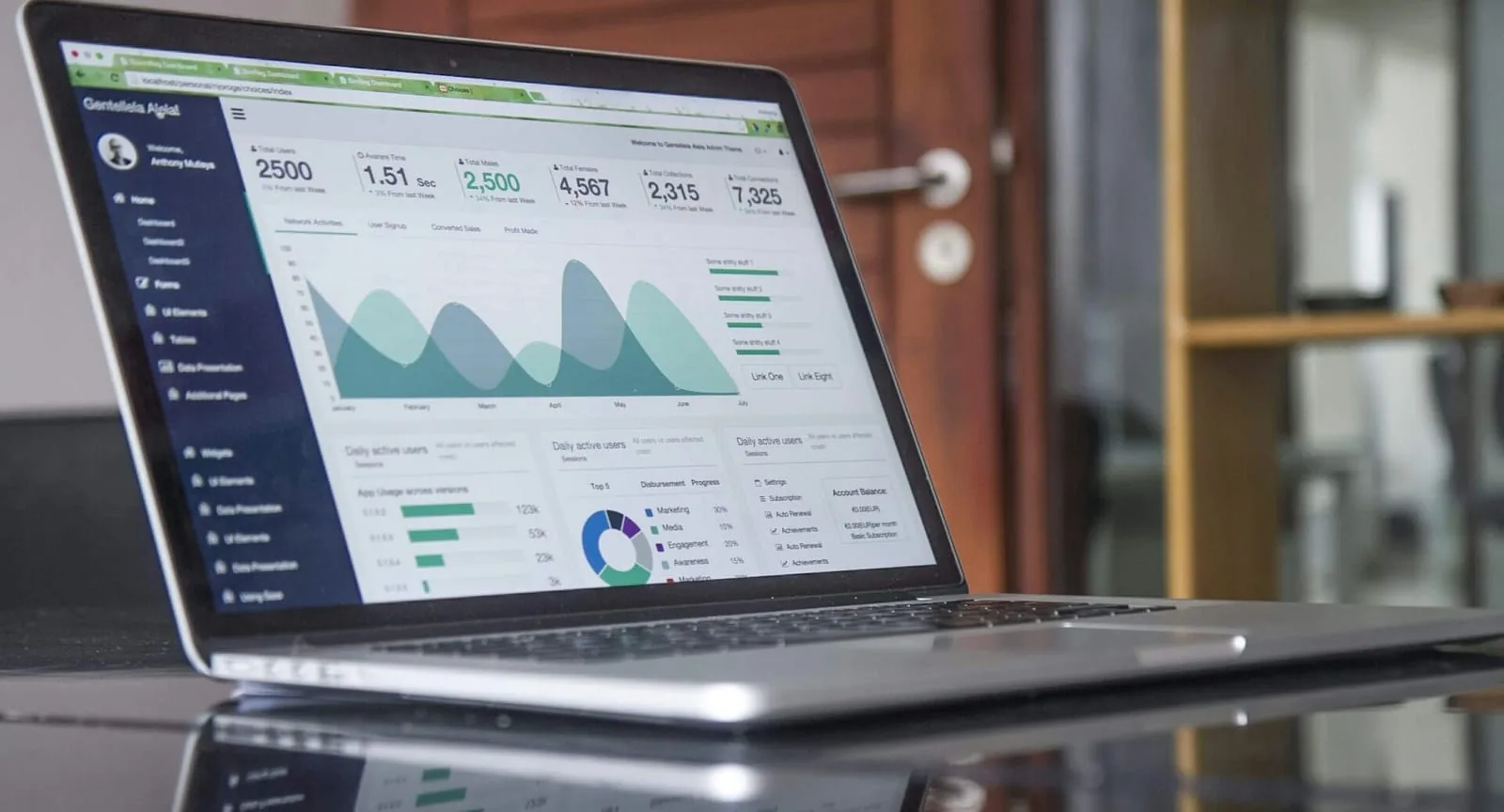
CMO's number 1 priority in 2026: Brand. AI decides who makes the shortlist.
In 2026, CMOs will rank the brand as priority number 1. In B2B food, AI will pre-select suppliers before the first contact. What this changes.
Read the insight
Patrice Cani, the scientist illuminating the future of health through the microbiome
Patrice Cani, winner of the 2026 Francqui-Collen Prize, is transforming our understanding of the microbiota. Discover his work on Akkermansia and metabolic health.
Read the insight
Intermittent Fasting and Cochrane: The Marketing of Fasting Has a Problem (and It's an Opportunity)
A Cochrane review concludes that intermittent fasting is no better than conventional diets for weight loss. Implications for nutrition marketing.
Read the insight
Oral collagen: what science really says (and what marketing forgets to mention)
Oral collagen: a meta-analysis of 113 trials confirms benefits for skin and osteoarthritis, but no effect on sports performance.
Read the insight
B2B marketing ingredients: generating leads in 2025 is a profession (and one that can no longer be improvised)
B2B ingredients marketing: what really works to generate qualified leads in food & nutrition in 2026.
Read the insight
Microbiota and appetite: when bacteria decide who gets dessert again
The microbiota modulates appetite via GLP-1 and PYY, influences fat storage and predicts the success of diets. A world of opportunities!
Read the insight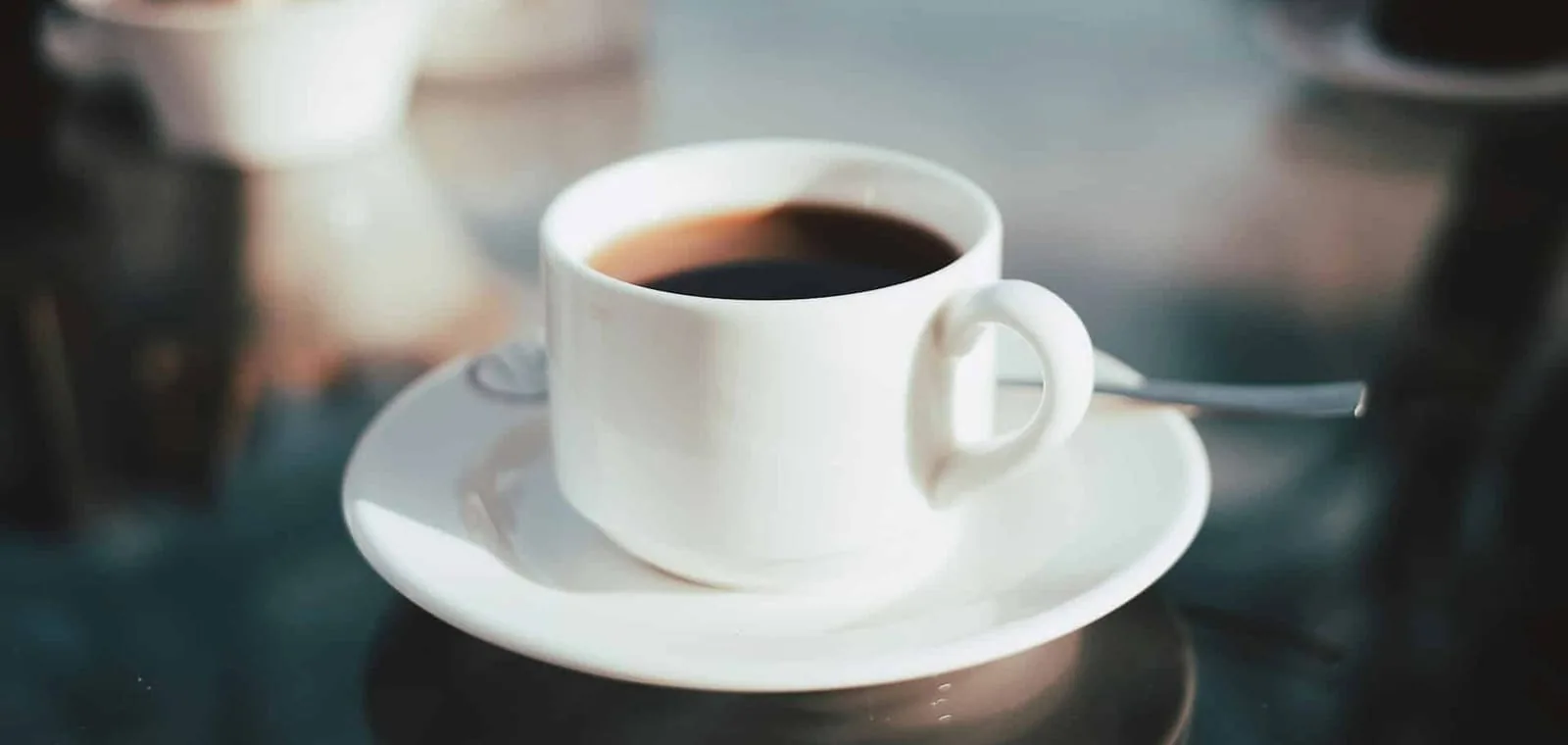
Anti-ageing coffee: 4 cups, the optimum dose?
A recent study shows that drinking 3 to 4 cups of coffee a day is associated with longer telomeres, equivalent to ~5 years of biological youth.
Read the insight
Plant processing: the invisible limit of «eating better».»
INRAE reveals how the level of plant processing influences the nutritional quality of plant products, and what is at stake for the industry.
Read the insight